




 Find an institute
 Offer a treatment
 Find an institute
 Offer a treatment
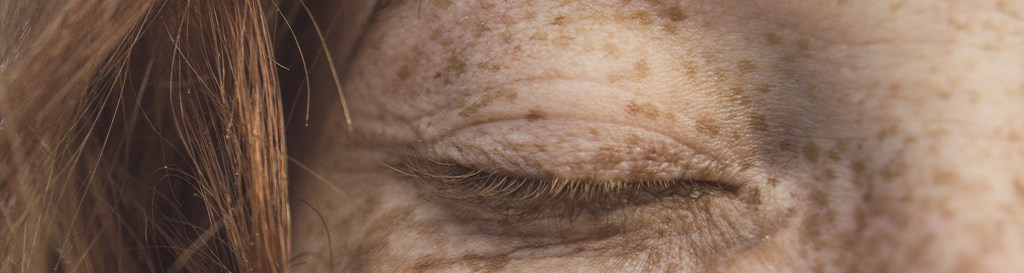
Thin and exposed to daily stress, the skin around the eyes deserves special attention. Choosing a natural eye contour product or an organic eye contour cream begins with identifying your needs: dehydration, fine lines, dark circles or puffiness. Texture, active ingredients, certification and application technique also matter. Find out how to choose a suitable organic eye contour and easily incorporate it into your beauty routine.
Contents
- What is an eye contour cream?
- Why does the eye area need specific care?
- What are the different types of dark circles and under-eye bags?
- How do you choose an effective organic eye contour cream?
- Natural or conventional eye contour cream: what are the differences?
- How should you apply your eye contour cream?
- Which products should you use alongside your eye contour care?
What is an eye contour cream?
An eye contour cream is a cosmetic product specifically formulated for the area around the eye, known as the periorbital area. Unlike a cream designed for the whole face, it takes into account the characteristics of this thin, delicate skin. Its texture, ingredients and application method are therefore designed for this small area.
Depending on its formula, an organic eye contour cream can address several beauty concerns. It may help maintain hydration, improve the appearance of fine lines or target the appearance of dark circles and puffiness. There is therefore no single cream that suits every eye area.
Only a very small amount is generally needed. A few dots of product are enough for both eyes. Applying more product does not necessarily make it more effective and may cause discomfort around the eyes.
A certified organic natural eye contour also stands apart because of the standards it must meet. COSMOS ORGANIC certification governs, among other things, the origin of raw materials and certain processing methods. It also requires minimum proportions of organic ingredients.
An eye contour product can therefore be chosen to:
- Maintain skin hydration and suppleness;
- Visibly soften the appearance of certain fine lines;
- Help keep the eye area comfortable;
- Improve the appearance of dark circles depending on their cause;
- Visibly reduce the appearance of under-eye bags depending on the active ingredients used.
Choosing an organic eye cream therefore always begins with a simple question: what does your eye area really need?
Why does the eye area need a specific natural skincare product?
Look at your eye area in a mirror. The first signs of fatigue or dehydration often appear around the eyes. This is partly due to the unique anatomy of this area.
The skin on the eyelids is among the thinnest on the body. Its structure differs from that of other areas of the face. It also contains fewer protective sebaceous glands and has distinctive subcutaneous tissue. As a result, changes in colour, texture or volume are more likely to show.
This area is also highly active throughout the day. We blink several thousand times a day. Smiling, squinting and other facial expressions continually place demands on this area. Over time, these movements contribute to the appearance of expression lines.
An eye contour should therefore provide comfort without feeling too heavy. This is also why routinely applying face cream right up to the eyes is not always the best option, particularly if it is very rich.
An eye contour product is therefore designed with several characteristics of this area in mind:
- very thin skin, where variations in colour are more visible;
- a more limited protective lipid barrier, which can contribute to discomfort;
- repeated movements, caused by blinking and facial expressions;
- an anatomically complex area, where dark circles, puffiness and hollows can appear;
- particular sensitivity, requiring suitable formulas and application techniques.
It is important, however, to distinguish cosmetic care from medical treatment. A cream is intended to improve the skin’s appearance and comfort. It cannot alter certain anatomical characteristics that cause hollow dark circles or established under-eye bags.
This is why a beauty therapist starts by assessing the eye area before recommending a product. A good natural eye contour is one that matches your concern and is formulated with ingredients of natural origin.
What are the different types of dark circles and under-eye bags?
Saying “I have dark circles” is not enough to choose a product. The term covers several phenomena that can sometimes overlap. Their colour and appearance offer initial clues, but a professional assessment can be helpful when their cause is difficult to identify.
Dermatology publications distinguish between pigmented, vascular and structural components of periorbital dark circles. This distinction matters because the same active ingredient cannot address all of these situations in the same way.
Which eye contour product should you choose for each type of dark circle?
| Concern | How can you recognise it? | Recommended cosmetic approach |
| Vascular dark circles | Bluish, purplish or pink appearance, particularly visible on thin skin | Cosmetic active ingredients targeting the appearance of dark circles |
| Pigmented dark circles | Mainly brown discolouration, particularly associated with skin pigmentation | Antioxidants and active ingredients targeting evenness and radiance around the eyes |
| Hollow dark circles | Shadow under the eye accentuated by facial anatomy and loss of volume | Hydrating and plumping active ingredients to improve the surface appearance |
| Under-eye bags | Visible swelling or a raised area beneath the lower eyelid | Fresh, lightweight textures combined with active ingredients suited to the appearance of under-eye bags |
There is an important point to bear in mind with hollow dark circles. Their appearance is partly due to facial anatomy. A cream cannot restore lost volume in the deeper tissues. A hydrating product may, however, improve the suppleness of the skin’s surface and make fine lines less visible.
The same caution applies to under-eye bags. They are not always caused by simple “water retention”. Their appearance may be influenced by age, the anatomy of the lower eyelid and individual factors. A fresh texture feels pleasant but cannot alter bags caused by anatomical structure.
There is therefore no single “best organic eye contour”. The best choice is one whose active ingredients and texture meet your actual needs.
How do you choose an effective organic eye contour cream? Key criteria
With so many formulas available, how do you choose the right organic eye contour cream? Start by identifying your main concern. Dehydration around the eyes, under-eye bags and pigmented dark circles do not require the same active ingredients. Age alone is therefore not enough to guide your choice.
In a beauty salon, assessing the skin and eye area can help refine this choice. Five criteria can then guide you:
- Certification and composition. If you are looking for an effective organic eye contour, check for a recognised certification such as COSMOS ORGANIC. It confirms compliance with detailed formulation standards.
- Targeted active ingredients. Choose a formula suited to your needs: hydrating active ingredients for dehydration lines, for example, or ingredients specifically evaluated for their effect on the appearance of dark circles and under-eye bags.
- Texture. A fresh, lightweight texture can feel pleasant on an eye area prone to puffiness. A richer, more enveloping texture may be better suited to dry skin. The skin’s needs, rather than age, should guide your choice of texture.
- Evidence of efficacy. Look for clearly explained results from instrumental or consumer use tests. Always check the duration and conditions of the test when these are provided.
- Budget and reviews. These can help you choose between several products that already meet your criteria. Customer reviews are especially useful for understanding texture, comfort and the overall user experience.
The right organic eye contour therefore combines a suitable formula, relevant active ingredients and a texture you will enjoy using regularly.
To compare Guérande Cosmétiques products, discover our dedicated eye contour creams category.
Natural or conventional eye contour cream: what are the real differences?
The difference between a natural eye contour cream with organic certification and a conventional formula lies in the rules governing its formulation, raw materials and certain manufacturing processes.
All cosmetic products sold in the European Union, whether organic or conventional, are subject to Regulation (EC) No 1223/2009. Among other requirements, it sets rules for safety, composition, labelling and product assessment before a product is placed on the market.
An organic eye contour cream certified by COSMOS ORGANIC must also comply with the COSMOS standard. It requires at least 95% of physically processed agro-ingredients to be organic. For most COSMOS ORGANIC products, at least 20% of the finished product must also be organic. This percentage may seem relatively low, but this is because water and minerals, although natural, cannot be counted as “organic”.
COSMOS also regulates permitted processes and excludes certain families of ingredients used in conventional cosmetics. Certification therefore verifies that a formulation approach meets defined and monitored criteria.
At Guérande Cosmétiques, this requirement is part of our approach to thalassic science and treatments : harnessing the natural resources of the Guérande salt marshes while drawing on our cosmetic expertise to develop our products.
How should you apply your eye contour cream?
Even when carefully chosen, an organic eye contour cream should be applied gently. The periorbital area only needs a small amount of product. Applying more cream does not increase its effectiveness. As the periorbital area is delicate, the aim is to distribute the product without excessive rubbing. The application technique should spread the product without unnecessarily stretching the skin.
Depending on the product, it may be applied morning and evening, working from the inner to the outer corner, after thoroughly cleansing the face. Here is how to add this step to your routine:
- Remove your make-up and cleanse your face. Gently remove eye make-up without repeated rubbing. An eye make-up remover gel or another suitable remover can be used before applying the eye contour. Then apply a toner. This ensures that the product is applied to clean skin.
- Use a small amount of eye contour cream. A few dots are enough to distribute the product around both eyes. Always follow the amount recommended by the brand.
- Apply the product gently. Spread it around the eye area without applying it too close to the lash line.
- Pat rather than rub. Use light tapping motions from the inner to the outer corner. The motion should feel comfortable and should not pull on the skin. The aim is simply to spread the product evenly.
- Wait before applying make-up and allow the product to settle. Wait a few moments so that the texture does not immediately mix with concealer or foundation.
Your organic eye contour can therefore be used morning and evening, depending on its directions for use. An organic eye cream designed for daily use can generally be included in both your morning and evening routine. Regular use matters more than firm massage or a generous amount.
In a complete routine, generally apply your eye contour product after cleansing and before your face cream. The exact order may vary depending on the texture and directions for use of each formula.
Which products should you use alongside natural eye contour ?
A natural eye contour is part of a complete routine. Before application, cleansing and make-up removal help eliminate make-up, sebum and impurities that have built up on the surface of the skin.
Removing eye make-up deserves particular care. Mascara, eyeshadow and concealer should not be removed by rubbing the skin hard. Choose a suitable product and use gentle motions. Depending on your routine, an eye make-up remover gel can be used to remove make-up before applying your eye contour.
Once you have cleansed and dried your skin, apply your targeted product, then continue with the other products in your facial routine. The exact order depends on their textures and the directions for each formula.
You can build your routine around a few essential steps:
- gently remove make-up and cleanse;
- apply your organic eye contour;
- use a face serum suited to your concern;
- finish with a face cream suited to your skin type;
This approach addresses the different needs of the face without using unnecessary products. The eye area receives dedicated care, while the rest of the face receives active ingredients and a texture suited to its own characteristics.
Conclusion: which organic eye contour should you choose?
Choosing a natural eye contour starts with assessing your skin. Dark circles, under-eye bags, fine lines and dehydration do not always have the same cause, so they do not necessarily require the same active ingredients or textures.
Before looking for the “best” product, identify your main concern. Then examine the formula, active ingredients, texture and results from tests conducted on the finished product. If you prefer organic cosmetics, certification also provides a clear framework for the product’s composition and manufacture.
A certified organic eye contour cream is not necessarily more effective than a conventional formula on the basis of certification alone. Effectiveness depends on the overall formulation, the suitability and concentration of the active ingredients, the texture and the assessments carried out. Considering these factors together will help you make an informed choice.
At Guérande Cosmétiques, our approach draws inspiration from the mineral resources of the Guérande salt marshes. This combination of cosmetic expertise, natural ingredients and marine inspiration shapes our vision of thalassic science and treatments.
A beauty therapist can also help, because the right eye care depends on more than your type of dark circles or your age. They can assess your skin, listen to your expectations and help you choose an organic eye contour suited to your beauty routine.